Buy now-us.eu ?
We are moving the project
now-us.eu .
Are you interested in purchasing the domain
now-us.eu ?
domain@kv-gmbh.de · 0541-91531010
Buy now-us.eu ?
What are microscopes?
Microscopes are scientific instruments used to magnify and observe tiny objects that are not visible to the naked eye. They work by using lenses to focus light on the specimen, allowing for detailed examination of its structure and composition. Microscopes are commonly used in fields such as biology, medicine, chemistry, and materials science to study cells, microorganisms, crystals, and other small objects. There are different types of microscopes, including optical microscopes, electron microscopes, and scanning probe microscopes, each with its own specific capabilities and applications. **
What are the advantages and disadvantages of electron microscopes and light microscopes?
Electron microscopes have the advantage of higher resolution, allowing for the visualization of smaller structures such as individual molecules. They also have a greater magnification power compared to light microscopes. However, electron microscopes are more expensive, require specialized training to operate, and samples need to be placed in a vacuum, which can alter their natural state. On the other hand, light microscopes are more affordable, easier to use, and samples can be observed in their natural state without the need for special preparation. However, they have lower resolution and magnification capabilities compared to electron microscopes, limiting the ability to visualize very small structures. **


Similar search terms for Microscopes
Top-Angebote
Products related to Microscopes:
-
Uplift Essentials Portable Ionic Facial Steamer With Nano Mist Spray Technology usTransform your skincare routine with this portable ionic facial steamer. Using advanced nano ionic technology, it produces a fine hot mist that penetrates deep into the skin, helping to moisturize, cleanse pores, and rejuvenate tired skin. Compact...163,97 $*Shipping: 0,00 $Secure redirect to the provider
-
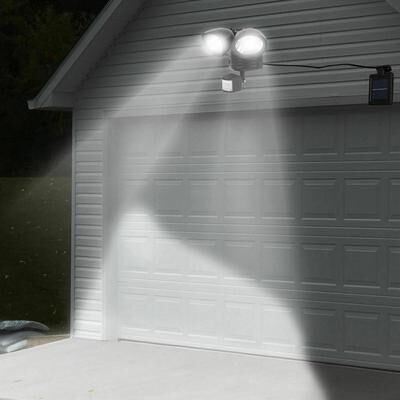
All Categories Goods LED Solar Security Light Dual Motion Sensor Outdoor Floodlight With LED Technology For Energy Efficient Illumination LED Solar Security Light Dual Motion Sensor Outdoor Floodlight With LED Technology For Energy Efficient IlluminationBrighten your outdoor space with the 1 pcs of 22 LED Solar Security Light, designed for maximum visibility and security. Powered by ecofriendly solar energy, this motion sensor floodlight activates when movement is detected, offering both...63,97 $*Shipping: 0,00 $Secure redirect to the provider
-
Uplift Treasures DPL Infrared Skin Rejuvenation Beauty Device With Cooling Technology us PlugProduct Description: Revitalize your skincare routine with this DPL Skin Rejuvenation Beauty Device. Featuring advanced DPL infrared light technology and an innovative cooling treatment head, it delivers a comfortable skincare experience while...325,97 $*Shipping: 0,00 $Secure redirect to the provider
-
Inspired Living NanoGlow Pro Facial Steamer With Ozone & Nano Mist Technology 110v Us PlugDry, tired skin doesnt stand a chance. The NanoGlow Pro Facial Steamer transforms your daily routine into a rejuvenating face steam spa experience right at home. Designed for skincare lovers, beauty professionals, and anyone craving a deep,...158,97 $*Shipping: 0,00 $Secure redirect to the provider


-
Why do biologists use light microscopes, even though electron microscopes offer much higher magnification?
Biologists use light microscopes because they are more versatile and can be used to observe living organisms in their natural state. Light microscopes also allow for the observation of a wider range of samples, including transparent or unstained specimens. Additionally, light microscopes are more affordable and easier to use compared to electron microscopes, making them more accessible to a wider range of researchers. **
-
How many microscopes for bacteria are there?
There are several types of microscopes that can be used to observe bacteria, including light microscopes, electron microscopes, and fluorescence microscopes. Each type of microscope has its own advantages and limitations for studying bacteria. For example, light microscopes are commonly used for observing live bacteria, while electron microscopes provide higher resolution images but require specialized sample preparation. Overall, there are multiple options for studying bacteria using microscopy, each with its own unique capabilities. **
-
What is the field of application for microscopes?
Microscopes are used in a wide range of fields including biology, medicine, chemistry, geology, and material science. In biology and medicine, microscopes are used to study cells, tissues, and microorganisms. In chemistry, they are used to analyze the structure of molecules and materials. In geology, microscopes are used to study minerals and rocks, while in material science, they are used to examine the structure and properties of various materials. Overall, microscopes are essential tools for studying and understanding the microscopic world. **
-
Do microscopes and telescopes have the same principle?
Microscopes and telescopes operate on similar principles of using lenses to magnify objects, but they are designed for different purposes. Microscopes are used to magnify small objects such as cells and microorganisms, while telescopes are used to observe distant objects in space. Both instruments rely on the manipulation of light to produce magnified images, but their specific designs and functions are tailored to their intended use. **
In which professions do people work exclusively with microscopes?
People who work exclusively with microscopes can be found in professions such as microbiology, histology, pathology, and certain fields of chemistry and materials science. Microbiologists study microorganisms, histologists examine the microscopic structure of tissues, pathologists analyze tissue samples for diseases, and scientists in chemistry and materials science use microscopes to study the properties and structures of materials at the microscopic level. These professionals rely on microscopes to conduct their research and analysis, making them an essential tool in their work. **
What are the advantages and disadvantages of different types of microscopes?
The advantages of light microscopes include their affordability, ease of use, and ability to observe living organisms. However, they have limited magnification and resolution compared to electron microscopes. Electron microscopes, on the other hand, offer much higher magnification and resolution, allowing for the observation of smaller structures. However, they are expensive, require specialized training, and can only be used to observe non-living specimens. Scanning probe microscopes have the advantage of being able to observe surfaces at the atomic level, but they are also expensive and require a high level of expertise to operate. **
Top-Angebote
Products related to Microscopes:
-
Ring Battery Video Doorbell Pro – Advanced Home Security & Connectivity, NewUpgrade your home security with the Ring Battery Video Doorbell Pro – Wireless Video Doorbell Security Camera . Designed to give you peace of mind, it delivers a head-to-toe 1536p HD view so you can see every detail clearly, from visitors to parcels at your doorstep. With advanced 3D Motion Detection and Bird’s Eye View , you’ll always know what’s happening around your home. The built-in colour night vision ensures crisp images even in the dark, while the wire-free battery design makes installation simple and flexible. Stay connected anywhere with instant notifications, two-way talk, and full integration with the Ring app, Alexa devices, and more. ✔️ Wireless video doorbell – Easy to install with a rechargeable battery, no wiring needed ✔️ 1536p HD head-to-toe view – See visitors and packages clearly in high definition ✔️ 3D Motion Detection & Bird’s Eye View – Advanced alerts and aerial perspective for extra security ✔️ Colour night vision – Crystal-clear video even in low light or darkness ✔️ Two-way talk with noise cancellation – Hear and speak to visitors in real time ✔️ Customisable motion zones – Focus on the areas that matter most ✔️ Smart alerts & notifications – Instant updates on your phone via the Ring app ✔️ Alexa compatible – Works seamlessly with Echo devices for hands-free monitoring ✔️ Quick-release battery pack – Easy to recharge and swap for uninterrupted security ✔️ Durable design – Built to withstand outdoor weather conditions The Ring Battery Video Doorbell Pro combines advanced motion detection, high-definition video, and smart home integration in one sleek device. Perfect for enhancing your home security, it ensures you never miss a visitor or delivery, day or night.174,49 £*Shipping: 0,00 £Secure redirect to the provider
-
Uplift Treasures DPL Infrared Skin Rejuvenation Device With Cooling Technology us PlugProduct Description: Elevate your skincare routine with this DPL skin rejuvenation device featuring infrared light technology and a cooling treatment mode. Designed to provide a comfortable beauty care experience, it helps support smoother,...222,97 $*Shipping: 0,00 $Secure redirect to the provider
-
Uplift Essentials Portable Ionic Facial Steamer With Nano Mist Spray Technology usTransform your skincare routine with this portable ionic facial steamer. Using advanced nano ionic technology, it produces a fine hot mist that penetrates deep into the skin, helping to moisturize, cleanse pores, and rejuvenate tired skin. Compact...163,97 $*Shipping: 0,00 $Secure redirect to the provider
-
All Categories Goods LED Solar Security Light Dual Motion Sensor Outdoor Floodlight With LED Technology For Energy Efficient Illumination LED Solar Security Light Dual Motion Sensor Outdoor Floodlight With LED Technology For Energy Efficient IlluminationBrighten your outdoor space with the 1 pcs of 22 LED Solar Security Light, designed for maximum visibility and security. Powered by ecofriendly solar energy, this motion sensor floodlight activates when movement is detected, offering both...63,97 $*Shipping: 0,00 $Secure redirect to the provider
-
What are microscopes?
Microscopes are scientific instruments used to magnify and observe tiny objects that are not visible to the naked eye. They work by using lenses to focus light on the specimen, allowing for detailed examination of its structure and composition. Microscopes are commonly used in fields such as biology, medicine, chemistry, and materials science to study cells, microorganisms, crystals, and other small objects. There are different types of microscopes, including optical microscopes, electron microscopes, and scanning probe microscopes, each with its own specific capabilities and applications. **
-
What are the advantages and disadvantages of electron microscopes and light microscopes?
Electron microscopes have the advantage of higher resolution, allowing for the visualization of smaller structures such as individual molecules. They also have a greater magnification power compared to light microscopes. However, electron microscopes are more expensive, require specialized training to operate, and samples need to be placed in a vacuum, which can alter their natural state. On the other hand, light microscopes are more affordable, easier to use, and samples can be observed in their natural state without the need for special preparation. However, they have lower resolution and magnification capabilities compared to electron microscopes, limiting the ability to visualize very small structures. **
-
Why do biologists use light microscopes, even though electron microscopes offer much higher magnification?
Biologists use light microscopes because they are more versatile and can be used to observe living organisms in their natural state. Light microscopes also allow for the observation of a wider range of samples, including transparent or unstained specimens. Additionally, light microscopes are more affordable and easier to use compared to electron microscopes, making them more accessible to a wider range of researchers. **
-
How many microscopes for bacteria are there?
There are several types of microscopes that can be used to observe bacteria, including light microscopes, electron microscopes, and fluorescence microscopes. Each type of microscope has its own advantages and limitations for studying bacteria. For example, light microscopes are commonly used for observing live bacteria, while electron microscopes provide higher resolution images but require specialized sample preparation. Overall, there are multiple options for studying bacteria using microscopy, each with its own unique capabilities. **
Similar search terms for Microscopes
-
Uplift Treasures DPL Infrared Skin Rejuvenation Beauty Device With Cooling Technology us PlugProduct Description: Revitalize your skincare routine with this DPL Skin Rejuvenation Beauty Device. Featuring advanced DPL infrared light technology and an innovative cooling treatment head, it delivers a comfortable skincare experience while...325,97 $*Shipping: 0,00 $Secure redirect to the provider
-
Inspired Living NanoGlow Pro Facial Steamer With Ozone & Nano Mist Technology 110v Us PlugDry, tired skin doesnt stand a chance. The NanoGlow Pro Facial Steamer transforms your daily routine into a rejuvenating face steam spa experience right at home. Designed for skincare lovers, beauty professionals, and anyone craving a deep,...158,97 $*Shipping: 0,00 $Secure redirect to the provider
-
Inspire Curations DPL Skin Rejuvenation Device With Infrared Light And Cooling Technology us PlugTransform your skincare routine with this Skin Rejuvenation Device that combines DPL light technology, infrared light, and a refreshing cooling treatment in one convenient beauty tool. Designed for comfortable, noninvasive use, it helps support...268,00 $*Shipping: 0,00 $Secure redirect to the provider
-
Inspire Picks DPL Skin Rejuvenation Device With Cooling Technology LED Facial Beauty Instrument us PlugElevate your skincare routine with this skin rejuvenation device designed to provide a comfortable athome beauty care experience. Combining DPL light technology with a refreshing cooling sensation, this DPL beauty device helps make skincare sessions...309,85 $*Shipping: 0,00 $Secure redirect to the provider
-
What is the field of application for microscopes?
Microscopes are used in a wide range of fields including biology, medicine, chemistry, geology, and material science. In biology and medicine, microscopes are used to study cells, tissues, and microorganisms. In chemistry, they are used to analyze the structure of molecules and materials. In geology, microscopes are used to study minerals and rocks, while in material science, they are used to examine the structure and properties of various materials. Overall, microscopes are essential tools for studying and understanding the microscopic world. **
-
Do microscopes and telescopes have the same principle?
Microscopes and telescopes operate on similar principles of using lenses to magnify objects, but they are designed for different purposes. Microscopes are used to magnify small objects such as cells and microorganisms, while telescopes are used to observe distant objects in space. Both instruments rely on the manipulation of light to produce magnified images, but their specific designs and functions are tailored to their intended use. **
-
In which professions do people work exclusively with microscopes?
People who work exclusively with microscopes can be found in professions such as microbiology, histology, pathology, and certain fields of chemistry and materials science. Microbiologists study microorganisms, histologists examine the microscopic structure of tissues, pathologists analyze tissue samples for diseases, and scientists in chemistry and materials science use microscopes to study the properties and structures of materials at the microscopic level. These professionals rely on microscopes to conduct their research and analysis, making them an essential tool in their work. **
-
What are the advantages and disadvantages of different types of microscopes?
The advantages of light microscopes include their affordability, ease of use, and ability to observe living organisms. However, they have limited magnification and resolution compared to electron microscopes. Electron microscopes, on the other hand, offer much higher magnification and resolution, allowing for the observation of smaller structures. However, they are expensive, require specialized training, and can only be used to observe non-living specimens. Scanning probe microscopes have the advantage of being able to observe surfaces at the atomic level, but they are also expensive and require a high level of expertise to operate. **
* All prices are inclusive of VAT and, if applicable, plus shipping costs. The offer information is based on the details provided by the respective shop and is updated through automated processes. Real-time updates do not occur, so deviations can occur in individual cases. ** Note: Parts of this content were created by AI.