Buy now-us.eu ?
We are moving the project
now-us.eu .
Are you interested in purchasing the domain
now-us.eu ?
domain@kv-gmbh.de · 0541-91531010
Buy now-us.eu ?
What is the difference between training to become a medical technology radiology assistant and training to become a radiology technician?
Training to become a medical technology radiology assistant typically involves a shorter program, usually a certificate or associate degree, focusing on assisting radiologic technologists with patient care, positioning, and equipment operation. On the other hand, training to become a radiology technician involves a more comprehensive program, usually a bachelor's degree, that includes coursework in anatomy, physiology, patient care, radiation physics, and imaging techniques. Radiology technicians are trained to perform imaging procedures independently, while radiology assistants work under the supervision of radiologic technologists. **
What is the difference between training to become a medical technology radiology assistant and training to become a radiology technologist?
Training to become a medical technology radiology assistant typically involves a shorter program, usually a certificate or associate degree, focusing on assisting radiologic technologists with patient care, equipment operation, and image processing. On the other hand, training to become a radiology technologist involves a more in-depth program, usually a bachelor's degree, that includes coursework in anatomy, physiology, patient care, radiation physics, and imaging techniques. Radiology technologists are responsible for performing imaging procedures and ensuring high-quality diagnostic images are produced, while radiology assistants support technologists in various aspects of the imaging process. **
Similar search terms for Radiology
Top-Angebote
Products related to Radiology:
-
Uplift Treasures DPL Infrared Skin Rejuvenation Device With Cooling Technology us PlugProduct Description: Elevate your skincare routine with this DPL skin rejuvenation device featuring infrared light technology and a cooling treatment mode. Designed to provide a comfortable beauty care experience, it helps support smoother,...222,97 $*Shipping: 0,00 $Secure redirect to the provider
-
All Categories Goods LED Solar Security Light Dual Motion Sensor Outdoor Floodlight With LED Technology For Energy Efficient Illumination LED Solar Security Light Dual Motion Sensor Outdoor Floodlight With LED Technology For Energy Efficient IlluminationBrighten your outdoor space with the 1 pcs of 22 LED Solar Security Light, designed for maximum visibility and security. Powered by ecofriendly solar energy, this motion sensor floodlight activates when movement is detected, offering both...63,97 $*Shipping: 0,00 $Secure redirect to the provider
-
Uplift Treasures DPL Infrared Skin Rejuvenation Beauty Device With Cooling Technology us PlugProduct Description: Revitalize your skincare routine with this DPL Skin Rejuvenation Beauty Device. Featuring advanced DPL infrared light technology and an innovative cooling treatment head, it delivers a comfortable skincare experience while...325,97 $*Shipping: 0,00 $Secure redirect to the provider
-
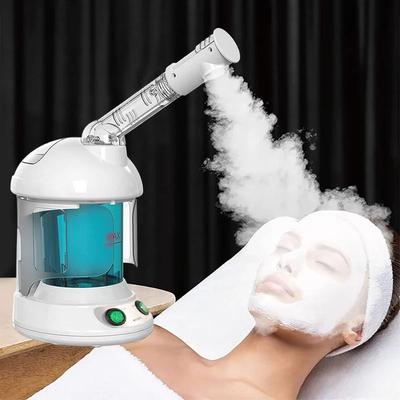
Inspired Living NanoGlow Pro Facial Steamer With Ozone & Nano Mist Technology 110v Us PlugDry, tired skin doesnt stand a chance. The NanoGlow Pro Facial Steamer transforms your daily routine into a rejuvenating face steam spa experience right at home. Designed for skincare lovers, beauty professionals, and anyone craving a deep,...158,97 $*Shipping: 0,00 $Secure redirect to the provider



-
What is the difference between the training to become a medical technology radiology assistant and the training to become a radiology technologist?
The training to become a medical technology radiology assistant typically involves a shorter program, usually a certificate or diploma program that focuses on assisting radiologic technologists with patient care, positioning, and equipment operation. On the other hand, the training to become a radiology technologist is more extensive, usually requiring an associate or bachelor's degree in radiologic technology. Radiology technologists are trained to perform imaging procedures independently, interpret results, and ensure the quality of the images produced. Overall, the main difference lies in the depth of knowledge, skills, and responsibilities between the two roles. **
-
How can one study radiology?
One can study radiology by completing a bachelor's degree in a related field such as biology, chemistry, or physics, followed by attending medical school to become a doctor. After completing medical school, one can pursue a residency program in radiology, which typically lasts for four years. During the residency, individuals receive hands-on training in various imaging techniques and interpretation of medical images. Additionally, obtaining board certification in radiology is often required to practice as a radiologist. **
-
Does radiology require training assistance?
Yes, radiology does require training assistance. Radiology is a complex field that involves the use of advanced imaging technology to diagnose and treat medical conditions. Radiologists need to undergo extensive training to understand the various imaging techniques, interpret the results accurately, and make informed decisions about patient care. Additionally, ongoing training and education are essential to keep up with the latest advancements in imaging technology and medical knowledge. Therefore, training assistance in the form of mentorship, residency programs, and continuing education opportunities is crucial for radiologists to develop and maintain their skills. **
-
Is the training to become a medical technical radiology assistant (MTRA) in radiology dangerous?
The training to become a medical technical radiology assistant (MTRA) in radiology is not inherently dangerous. However, like any medical profession, there are potential risks associated with working in a healthcare setting, such as exposure to radiation and infectious diseases. Proper training, adherence to safety protocols, and the use of protective equipment can help minimize these risks. Additionally, ongoing education and professional development are important for staying updated on best practices for ensuring safety in the workplace. **

What are the requirements for a radiology assistant?
To become a radiology assistant, one typically needs to have a bachelor's degree in radiologic technology or a related field. Additionally, many employers require certification as a radiologic technologist and several years of experience working in radiology. Some employers may also prefer candidates who have completed a radiology assistant program or have a master's degree in radiologic science. Strong communication and interpersonal skills are also important for this role, as radiology assistants often work closely with patients and other healthcare professionals. **
How do I find an internship in radiology?
To find an internship in radiology, you can start by reaching out to local hospitals, medical imaging centers, and radiology departments at healthcare facilities to inquire about internship opportunities. You can also check with your college or university's career services office, as they may have connections with healthcare organizations that offer radiology internships. Additionally, networking with radiology professionals and joining professional organizations in the field can help you learn about internship opportunities and make valuable connections. Finally, consider searching online job boards and internship databases for radiology internships in your area. **
Top-Angebote
Products related to Radiology:
-
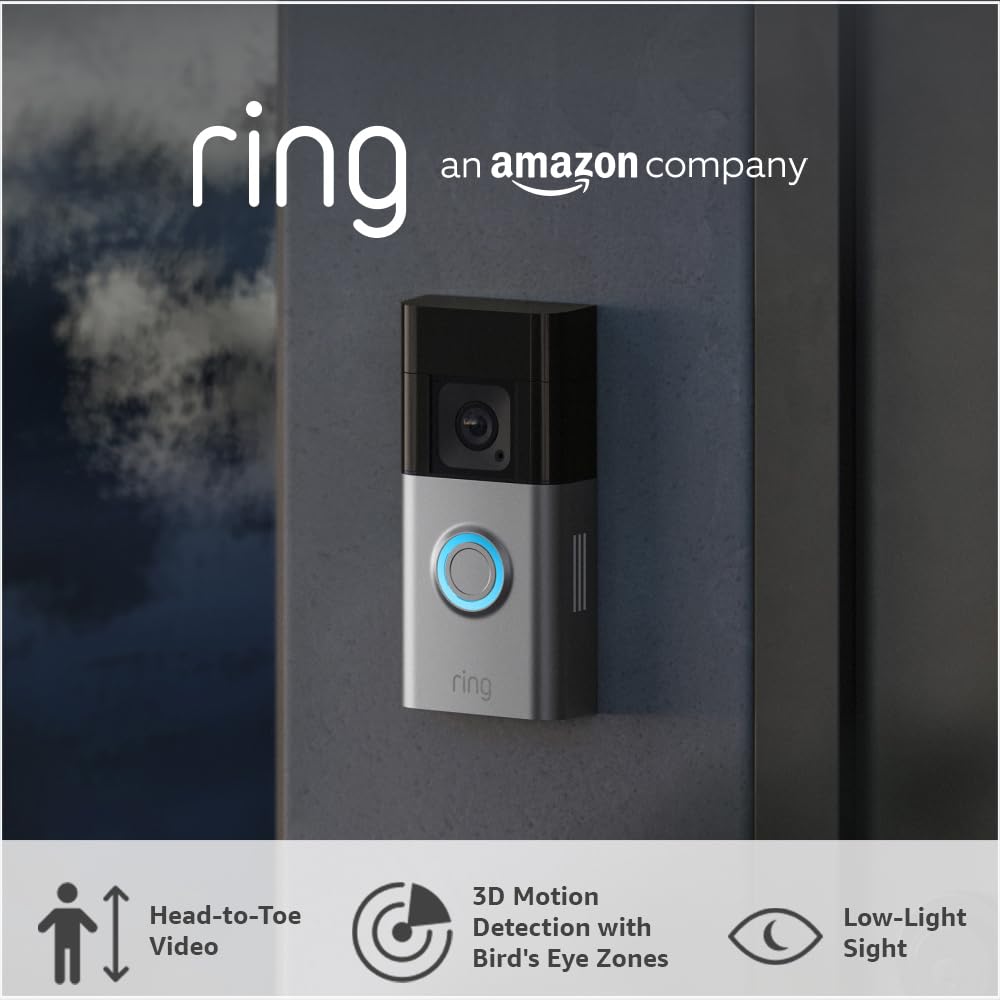
Ring Battery Video Doorbell Pro – Advanced Home Security & Connectivity, NewUpgrade your home security with the Ring Battery Video Doorbell Pro – Wireless Video Doorbell Security Camera . Designed to give you peace of mind, it delivers a head-to-toe 1536p HD view so you can see every detail clearly, from visitors to parcels at your doorstep. With advanced 3D Motion Detection and Bird’s Eye View , you’ll always know what’s happening around your home. The built-in colour night vision ensures crisp images even in the dark, while the wire-free battery design makes installation simple and flexible. Stay connected anywhere with instant notifications, two-way talk, and full integration with the Ring app, Alexa devices, and more. ✔️ Wireless video doorbell – Easy to install with a rechargeable battery, no wiring needed ✔️ 1536p HD head-to-toe view – See visitors and packages clearly in high definition ✔️ 3D Motion Detection & Bird’s Eye View – Advanced alerts and aerial perspective for extra security ✔️ Colour night vision – Crystal-clear video even in low light or darkness ✔️ Two-way talk with noise cancellation – Hear and speak to visitors in real time ✔️ Customisable motion zones – Focus on the areas that matter most ✔️ Smart alerts & notifications – Instant updates on your phone via the Ring app ✔️ Alexa compatible – Works seamlessly with Echo devices for hands-free monitoring ✔️ Quick-release battery pack – Easy to recharge and swap for uninterrupted security ✔️ Durable design – Built to withstand outdoor weather conditions The Ring Battery Video Doorbell Pro combines advanced motion detection, high-definition video, and smart home integration in one sleek device. Perfect for enhancing your home security, it ensures you never miss a visitor or delivery, day or night.174,49 £*Shipping: 0,00 £Secure redirect to the provider
-
Uplift Essentials Portable Ionic Facial Steamer With Nano Mist Spray Technology usTransform your skincare routine with this portable ionic facial steamer. Using advanced nano ionic technology, it produces a fine hot mist that penetrates deep into the skin, helping to moisturize, cleanse pores, and rejuvenate tired skin. Compact...163,97 $*Shipping: 0,00 $Secure redirect to the provider
-
Uplift Treasures DPL Infrared Skin Rejuvenation Device With Cooling Technology us PlugProduct Description: Elevate your skincare routine with this DPL skin rejuvenation device featuring infrared light technology and a cooling treatment mode. Designed to provide a comfortable beauty care experience, it helps support smoother,...222,97 $*Shipping: 0,00 $Secure redirect to the provider
-
All Categories Goods LED Solar Security Light Dual Motion Sensor Outdoor Floodlight With LED Technology For Energy Efficient Illumination LED Solar Security Light Dual Motion Sensor Outdoor Floodlight With LED Technology For Energy Efficient IlluminationBrighten your outdoor space with the 1 pcs of 22 LED Solar Security Light, designed for maximum visibility and security. Powered by ecofriendly solar energy, this motion sensor floodlight activates when movement is detected, offering both...63,97 $*Shipping: 0,00 $Secure redirect to the provider
-
What is the difference between training to become a medical technology radiology assistant and training to become a radiology technician?
Training to become a medical technology radiology assistant typically involves a shorter program, usually a certificate or associate degree, focusing on assisting radiologic technologists with patient care, positioning, and equipment operation. On the other hand, training to become a radiology technician involves a more comprehensive program, usually a bachelor's degree, that includes coursework in anatomy, physiology, patient care, radiation physics, and imaging techniques. Radiology technicians are trained to perform imaging procedures independently, while radiology assistants work under the supervision of radiologic technologists. **
-
What is the difference between training to become a medical technology radiology assistant and training to become a radiology technologist?
Training to become a medical technology radiology assistant typically involves a shorter program, usually a certificate or associate degree, focusing on assisting radiologic technologists with patient care, equipment operation, and image processing. On the other hand, training to become a radiology technologist involves a more in-depth program, usually a bachelor's degree, that includes coursework in anatomy, physiology, patient care, radiation physics, and imaging techniques. Radiology technologists are responsible for performing imaging procedures and ensuring high-quality diagnostic images are produced, while radiology assistants support technologists in various aspects of the imaging process. **
-
What is the difference between the training to become a medical technology radiology assistant and the training to become a radiology technologist?
The training to become a medical technology radiology assistant typically involves a shorter program, usually a certificate or diploma program that focuses on assisting radiologic technologists with patient care, positioning, and equipment operation. On the other hand, the training to become a radiology technologist is more extensive, usually requiring an associate or bachelor's degree in radiologic technology. Radiology technologists are trained to perform imaging procedures independently, interpret results, and ensure the quality of the images produced. Overall, the main difference lies in the depth of knowledge, skills, and responsibilities between the two roles. **
-
How can one study radiology?
One can study radiology by completing a bachelor's degree in a related field such as biology, chemistry, or physics, followed by attending medical school to become a doctor. After completing medical school, one can pursue a residency program in radiology, which typically lasts for four years. During the residency, individuals receive hands-on training in various imaging techniques and interpretation of medical images. Additionally, obtaining board certification in radiology is often required to practice as a radiologist. **
Similar search terms for Radiology
-
Uplift Treasures DPL Infrared Skin Rejuvenation Beauty Device With Cooling Technology us PlugProduct Description: Revitalize your skincare routine with this DPL Skin Rejuvenation Beauty Device. Featuring advanced DPL infrared light technology and an innovative cooling treatment head, it delivers a comfortable skincare experience while...325,97 $*Shipping: 0,00 $Secure redirect to the provider
-
Inspired Living NanoGlow Pro Facial Steamer With Ozone & Nano Mist Technology 110v Us PlugDry, tired skin doesnt stand a chance. The NanoGlow Pro Facial Steamer transforms your daily routine into a rejuvenating face steam spa experience right at home. Designed for skincare lovers, beauty professionals, and anyone craving a deep,...158,97 $*Shipping: 0,00 $Secure redirect to the provider
-
Inspire Curations DPL Skin Rejuvenation Device With Infrared Light And Cooling Technology us PlugTransform your skincare routine with this Skin Rejuvenation Device that combines DPL light technology, infrared light, and a refreshing cooling treatment in one convenient beauty tool. Designed for comfortable, noninvasive use, it helps support...268,00 $*Shipping: 0,00 $Secure redirect to the provider
-
Inspired Living LumiFreeze DPL Skin Rejuvenation Device With Infrared Light Therapy Cooling Technology us PlugExperience smoother, more radiantlooking skin from the comfort of home. This DPL Skin Rejuvenation Device combines advanced Infrared Light Therapy with an icecooling treatment surface to deliver a soothing skincare experience while helping improve...293,97 $*Shipping: 0,00 $Secure redirect to the provider
-
Does radiology require training assistance?
Yes, radiology does require training assistance. Radiology is a complex field that involves the use of advanced imaging technology to diagnose and treat medical conditions. Radiologists need to undergo extensive training to understand the various imaging techniques, interpret the results accurately, and make informed decisions about patient care. Additionally, ongoing training and education are essential to keep up with the latest advancements in imaging technology and medical knowledge. Therefore, training assistance in the form of mentorship, residency programs, and continuing education opportunities is crucial for radiologists to develop and maintain their skills. **
-
Is the training to become a medical technical radiology assistant (MTRA) in radiology dangerous?
The training to become a medical technical radiology assistant (MTRA) in radiology is not inherently dangerous. However, like any medical profession, there are potential risks associated with working in a healthcare setting, such as exposure to radiation and infectious diseases. Proper training, adherence to safety protocols, and the use of protective equipment can help minimize these risks. Additionally, ongoing education and professional development are important for staying updated on best practices for ensuring safety in the workplace. **
-
What are the requirements for a radiology assistant?
To become a radiology assistant, one typically needs to have a bachelor's degree in radiologic technology or a related field. Additionally, many employers require certification as a radiologic technologist and several years of experience working in radiology. Some employers may also prefer candidates who have completed a radiology assistant program or have a master's degree in radiologic science. Strong communication and interpersonal skills are also important for this role, as radiology assistants often work closely with patients and other healthcare professionals. **
-
How do I find an internship in radiology?
To find an internship in radiology, you can start by reaching out to local hospitals, medical imaging centers, and radiology departments at healthcare facilities to inquire about internship opportunities. You can also check with your college or university's career services office, as they may have connections with healthcare organizations that offer radiology internships. Additionally, networking with radiology professionals and joining professional organizations in the field can help you learn about internship opportunities and make valuable connections. Finally, consider searching online job boards and internship databases for radiology internships in your area. **
* All prices are inclusive of VAT and, if applicable, plus shipping costs. The offer information is based on the details provided by the respective shop and is updated through automated processes. Real-time updates do not occur, so deviations can occur in individual cases. ** Note: Parts of this content were created by AI.